Plumbing Leak Repair After Water Damage: Steps to Take Fast
Water has a talent for drama. It can sneak behind a wall for weeks like a spy, or it can burst from a supply line at 2:13 a.m. With the confidence of a marching band. Either way, once water damage shows up, the clock starts ticking. Drywall swells. Flooring cups. Cabinets wrinkle. Electrical components get nervous. And somewhere nearby, a homeowner stands in socks, holding a towel that is clearly out of its depth.
Plumbing leak repair after water damage is not just about stopping the leak. That is the first move, yes, and a very important one. But the real job is finding the source, limiting damage, drying the structure, checking for hidden moisture, deciding what can be saved, and making sure the repair does not set you up for round two. A quick patch can be useful in an emergency. A proper repair keeps your home from developing that charming “old basement and regret” aroma.
I have seen tiny pinhole leaks cause more damage than dramatic pipe bursts because nobody noticed them for a month. I have also seen homeowners shut off the wrong valve with heroic confidence while the real leak continued soaking a ceiling downstairs. Water damage rewards speed, but it also rewards calm. So take a breath, put on shoes, and let’s talk through what to do fast, what not to do, and when it is time to call a Plumber before your house develops an indoor creek system.
The first ten minutes matter more than people think
When water is actively leaking, the priority is simple: stop more water from entering the damaged area. That sounds obvious until panic arrives wearing tap shoes. The first question is whether the leak is from a pressurized water line, a drain line, an appliance, a water heater, or something sneaky like a toilet supply hose. Pressurized lines keep spraying until the water supply is shut off. Drain leaks often happen only when a fixture is used. Water heater leaks may involve stored water, pressure, temperature, or all three, which is a rude little cocktail.
If you know where the fixture shutoff is, use it. Under sinks, behind toilets, near washing machines, and at water heaters, there are usually local valves. Turn the valve clockwise gently but firmly. If the valve is crusted in place, do not turn it into a plumbing arm-wrestling contest. Old valves can snap or start leaking worse. If you cannot stop the leak at the fixture, shut off the main water valve to the house. Most homes have one near the water meter, where the water line enters the building, or in a basement, garage, crawl space, or utility room.
Once the water is off, relieve pressure by opening a faucet at a lower level of the home. This lets trapped water drain out of the lines. If water is coming through a ceiling, do not poke it randomly like you are testing a cake. A sagging ceiling can hold several gallons of water, and it may collapse suddenly. If a bulge forms, place a bucket underneath and make a controlled puncture at the lowest point with a screwdriver, standing to the side. Yes, this feels wrong. Yes, it is better than letting the ceiling choose its own dramatic exit.
Here is a short emergency sequence worth memorizing before you need it, because nobody reads calmly while standing in ankle-deep water.
- Shut off the fixture valve if you can identify it quickly, or shut off the main water valve if you cannot.
- Turn off electricity to affected areas if water is near outlets, fixtures, appliances, or the electrical panel.
- Move valuables, rugs, furniture, and electronics away from wet zones.
- Photograph the damage before cleanup for insurance documentation.
- Call a licensed Plumber or emergency plumbing leak repair service if the source is not obvious or the leak involved pressurized piping.
That is one of the few moments where a list earns its keep. Most of the rest of this job involves judgment, inspection, and a little humility.
Water and electricity are not friends, not even casual acquaintances
If water is anywhere near electrical outlets, light fixtures, switches, appliances, or the panel, stop and treat the situation seriously. Water can travel through walls and ceilings in weird paths, so the wet spot you see may not be the only area affected. A leak in an upstairs bathroom can drip through a ceiling light in the kitchen below. The light may still work, which is not reassuring. It is more like a raccoon smiling at you.
Turn off the breaker serving the wet area if you can do so safely. If the electrical panel itself is wet, do not touch it. Call an Electrician or emergency service. This is also the point where homeowners sometimes underestimate recessed lights, ceiling fans, bathroom exhaust fans, and under-cabinet lighting. A Lighting contractor or Electrician may need to inspect fixtures after the area dries, especially if water ran through junction boxes or wiring cavities.
Plumbing and electrical trades overlap during water damage more than people expect. A plumber stops the source and repairs the piping. The electrician makes sure the building is safe afterward. Both matter. No one wins a prize for saving money on an electrical inspection and later discovering the breaker trips whenever the upstairs shower runs.
Finding the real leak, not just the wet spot
Water rarely appears directly under the leak source. It follows gravity, framing, pipe runs, insulation, ductwork, and whatever tiny path offers the least resistance. I have opened ceilings below a tub only to find the leak starting several feet away at a shower valve. I have traced kitchen ceiling stains to a refrigerator ice maker line. I have also seen “roof leaks” that turned out to be condensation from poorly insulated air conditioning ducts. Water is a talented liar.
A proper leak diagnosis starts with asking what was in use when the water appeared. If water drips only when someone showers, suspect the shower valve, tub drain, overflow gasket, grout failure, or shower pan. If it appears when a sink drains, think trap, tailpiece, or drain line. If it keeps leaking even when no fixture is being used, pressurized supply piping becomes more likely. If the water is hot, that narrows the suspect list. If the water smells like sewage, nobody is having a good afternoon, and the drain or sewer side needs attention.
Moisture meters help separate visible damage from actual moisture. Infrared cameras can show temperature differences that suggest wet areas, although they do not magically see through walls. A good technician uses tools and experience together. The meter points, the camera hints, and the plumber confirms. Cutting one neat inspection opening is better than carving into drywall like a raccoon with a grudge.
Sometimes leak detection reveals a larger problem than one failed fitting. Older galvanized steel pipe may corrode from the inside. Copper can develop pinhole leaks due to water chemistry, poor installation, or age. Polybutylene, found in some older homes, has a notorious history of failures. If one section leaks, plumbing repiping may be a smarter long-term decision than chasing leak after leak. That is not the answer anyone wants while staring at wet drywall, but it can be cheaper than renovating the same ceiling every year.
Stop the leak before you start drying
Drying begins after the water source is controlled. Running fans while the leak continues is like bailing a boat without plugging the hole. Admirable, sweaty, and not especially effective.
Plumbing leak repair depends on the material, location, pressure, and accessibility. A leaking compression fitting under a sink may need tightening or replacement. A cracked PVC drain line may require cutting out the damaged section and installing new pipe and fittings. A copper pinhole may be repaired with a soldered coupling, press fitting, or replacement section. PEX lines often allow relatively quick repairs if there is enough slack and access. Slab leaks are a different beast. They may require leak location, rerouting, tunneling, or slab access, none of which belongs in the category of “quick little Saturday project.”
Temporary clamps, repair tape, and epoxy putty can slow a leak in some cases, but they are not permanent repairs for pressurized plumbing. They are bandages. Useful in the moment, not a lifestyle. If a pipe has failed because it is corroded or under stress, sealing one spot may simply encourage the next weak area to announce itself.
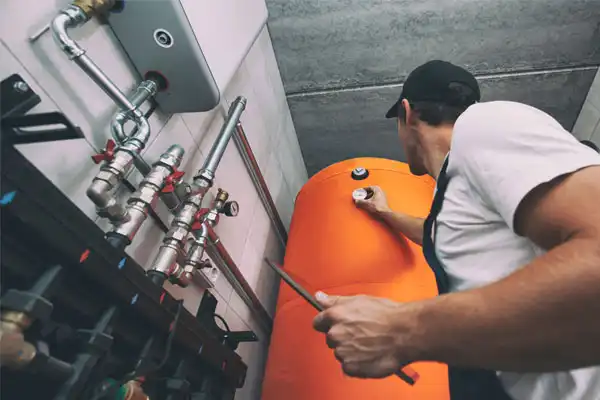
Water heater leaks deserve special attention. Water heater repair may be possible if the issue is a valve, connection, supply line, or expansion tank. If the tank itself is leaking, water heater installation is usually the next step because tank leaks generally do not heal, despite whatever optimistic video the internet served you at midnight. If the heater is gas-fired, a qualified technician should check the gas connections, venting, shutoff, and combustion safety. A Gas installation service may be needed if lines or valves require correction.
Drying is not just “point a fan at it and hope”
Once the leak is repaired or at least fully stopped, water removal and drying become the main event. The goal is to bring building materials back to safe moisture levels before mold growth, rot, odors, and material failure set in. Time matters. Many materials can begin supporting mold growth within 24 to 48 hours if moisture remains and conditions are right. That does not mean every wet wall becomes a science project overnight, but it does mean waiting a week is a poor strategy unless your goal is to meet new organisms.
Hard surfaces can often be cleaned and dried. Carpet is trickier. Clean water from a supply line is very different from sewage or floodwater. Carpet pad acts like a sponge with a mortgage. It often needs removal even when the carpet might be saved. Laminate flooring swells and separates quickly. Hardwood may cup, but with proper drying it can sometimes be saved, depending on callservicelion.com Lighting contractor how long it stayed wet and whether water got beneath it. Vinyl plank varies. Some products tolerate surface water but trap moisture underneath, which can quietly bother the subfloor.
Drywall is cheap compared with framing, and wet drywall often gets cut out. The decision depends on the water category, saturation level, insulation, wall cavity, and time wet. If insulation is soaked, it usually needs removal. Fiberglass loses effectiveness when wet and can hold moisture against framing. Cellulose insulation is even less forgiving. Closed-cell spray foam changes the equation, but water can still travel around it or behind it.
Professional drying equipment includes air movers and dehumidifiers sized to the space and moisture load. Household fans can help with small, clean-water incidents, but they do not remove moisture from the air. They simply move it around with enthusiasm. Dehumidification matters because evaporated water has to go somewhere. If indoor humidity stays high, drying slows and nearby materials can absorb moisture too. That is how a laundry room leak starts recruiting baseboards in the hallway.
The insurance photos you will wish you had taken
Before you tear out soggy materials, take photos and videos. Capture the source if visible, the affected rooms, damaged belongings, wet flooring, swollen trim, ceiling stains, and standing water. Get wide shots and close-ups. If you move furniture or remove flooring before documentation, your claim may become harder to explain.
Insurance coverage depends on your policy and the cause of loss. Sudden and accidental water damage is often treated differently from long-term seepage, neglect, sewer backup, or outside flooding. I will not pretend policies are light beach reading. They are written in a dialect known as “committee fog.” Still, documentation helps. Save plumbing invoices, mitigation invoices, moisture readings if provided, and any reports that identify the cause.
If a drain or sewer backup caused the damage, coverage may depend on whether you have a sewer backup endorsement. If a septic system service issue caused wastewater to enter the home, that is a different risk category from a clean supply line leak. Category 3 water, which includes sewage, requires much stricter cleanup and disposal procedures. That is not the moment to rent a fan and tell everyone to wear flip-flops.
Hidden damage behind walls, cabinets, and “it looks dry now”
The phrase “it looks dry” has betrayed many houses. Surfaces can dry while cavities remain wet. Baseboards may look fine while moisture sits behind them. Cabinets can wick water up from the floor and swell at the toe kick. Drywall may feel dry to the touch while the back paper stays damp. If water got under a tub, behind a vanity, beneath tile, or into a wall with insulation, assume the obvious surface is only part of the story.
Kitchens and bathrooms are especially tricky because cabinets hide wall and floor intersections. A slow dishwasher supply leak can damage subflooring for weeks before anyone notices. By the time the floor feels soft, the repair may involve plumbing, cabinetry, flooring, and sometimes structural carpentry. No one likes finding out a $12 supply line bullied an entire kitchen, but plumbing has never been known for proportional consequences.
Crawl spaces deserve a look after any significant leak. Water can drain downward through penetrations and pool on vapor barriers or soil. In a crawl space, moisture can linger, raise humidity, encourage mold, and affect floor framing. If the leak was near HVAC equipment, ducts, or condensate lines, bring in the right contractor. An Air conditioning contractor or Heating contractor may need to inspect nearby systems, especially if water contacted equipment, duct insulation, controls, or wiring.
When the leak is part of a bigger mechanical problem
Not every water problem begins with domestic plumbing. Air conditioning repair calls sometimes start as “water leaking from the ceiling.” A clogged condensate drain can overflow, especially during humid weather when the system is pulling lots of moisture from the air. If the indoor air handler sits in an attic or closet, a blocked drain line or failed pan switch can create impressive water damage. Drain cleaning for condensate lines is not the same as clearing a kitchen sink, but the principle is familiar: water needs a clear path out.
Air conditioning maintenance helps prevent this sort of mess. During an air conditioning tune-up, a technician may flush the condensate drain, check the pan, test safety switches, and look for signs of overflow. That is not glamorous work. Nobody hosts a dinner party to show off a clean condensate trap. But it can save a ceiling.
Heating systems can also enter the story. High-efficiency furnaces produce condensate that must drain properly. A Furnace repair service call may uncover cracked condensate tubing, blocked drains, or pump failures. Heat pump installation and service involve condensate management too when cooling mode is used. Water from HVAC equipment may look like a plumbing leak, but the repair belongs to the technician who understands the system. Calling the right trade saves time and prevents the dreaded parade of professionals pointing at one another.
Drains, roots, and the kind of water nobody wants indoors
Supply leaks get most of the attention because they are dramatic, but drain problems can be worse from a sanitation standpoint. A kitchen drain leak under a cabinet may smell bad and damage the cabinet floor. A cracked cast iron stack can leak inside a wall, sometimes showing up as stains, odors, or mysterious dampness. A sewer line backup can push wastewater into tubs, showers, floor drains, or toilets. At that point, stop using water in the house until the problem is diagnosed.
Rooter service is common when roots, grease, scale, or obstructions block a line. Mechanical augering can restore flow, but it does not always solve the underlying issue. If roots entered a sewer line, they found an opening. They will likely return unless the pipe is repaired, lined, or replaced. Hydrojetting can clear heavy buildup more thoroughly than a standard cable in suitable pipes, using high-pressure water to scour the inside of the line. The catch is that old or damaged piping should be inspected first, often with a camera, because blasting a fragile line with high pressure is not wisdom. It is plumbing karaoke: loud, confident, and potentially regrettable.
Septic systems add another layer. If multiple drains are slow, toilets gurgle, or wastewater backs up during laundry or showers, the problem may be beyond an indoor drain. Septic system service may be needed to inspect the tank, baffles, pump, distribution box, or drain field. Water damage from sewage is not a casual cleanup. Porous materials often need removal, hard surfaces require proper disinfection, and personal protective equipment is not optional unless you enjoy poor life choices.
The repair behind the repair: preventing the next leak
After the immediate crisis, it is tempting to patch the wall and pretend the whole event never happened. I understand this impulse. Everyone wants the house back to normal. But the best time to prevent the next leak is right after the current one, while the wall is open and your motivation is fresh.
If a shutoff valve failed or would not turn, replace it. If a braided supply line is old, kinked, corroded, or suspicious, replace it with a quality part. Washing machine hoses should be inspected regularly, and many pros prefer braided stainless hoses with accessible shutoffs. Toilet fill valves, wax rings, angle stops, and faucet supplies are small parts, but they can cause large damage. Plumbing is full of tiny villains.
Water pressure matters too. High pressure strains fixtures, valves, water heaters, and appliances. Many homes do best around 50 to 70 psi, though acceptable ranges depend on local code and system design. If pressure is too high, a pressure-reducing valve may be needed or may have failed. Thermal expansion from water heaters can also stress plumbing if the system is closed and lacks a working expansion tank. These are not thrilling topics, but neither is replacing flooring because a toilet supply line surrendered at dawn.
Water quality can influence plumbing life. Aggressive water may contribute to copper pinholes. Hard water can scale fixtures, heaters, and appliances. Water softener installation may help in homes with significant hardness, though it should be selected and adjusted properly. Over-softening or poor installation can create different headaches. A good plumber looks at the whole system rather than selling a gadget like it came from a late-night treasure chest.
Here are five practical upgrades worth considering while repairs are underway.
- Replace old fixture shutoff valves with quarter-turn valves where appropriate.
- Install leak detectors near water heaters, washing machines, dishwashers, and under sinks.
- Add or service a water pressure regulator if pressure is too high.
- Replace aging supply lines, especially on toilets, faucets, ice makers, and washing machines.
- Consider whole-home leak detection with automatic shutoff for higher-risk properties or frequent travelers.
None of these guarantees a leak-free life. Houses are too mischievous for guarantees. But they reduce odds, and odds matter.

Mold concerns without the scare tactics
Mold is real. Mold panic is also real. The right response sits between “burn the house down” and “spray some perfume on it.” Mold needs moisture, food, and suitable conditions. Drywall paper, wood framing, dust, and warmth can provide plenty of opportunity if moisture remains. The key is removing wet materials that cannot be dried, drying what can be saved, and cleaning affected surfaces correctly.
Small clean-water incidents caught quickly may not result in mold growth. Larger losses, long-term leaks, sewage contamination, or hidden moisture are different. If musty odors persist after drying, something is still wet or contaminated. Do not rely on paint to seal in a moisture problem. Paint over wet or moldy material is makeup on a raccoon. Technically visible, deeply unhelpful.
If mold is extensive, involves HVAC systems, or affects people with respiratory concerns, professional remediation may be appropriate. The work should include containment, air filtration when needed, removal of affected porous materials, cleaning, and moisture control. The plumbing repair must be complete first. Remediating mold while the leak continues is a very expensive loop.
What a good plumber does differently after water damage
A rushed repair focuses only on the obvious failure. A good plumber asks why it failed, what else is at risk, and whether the repair will survive real use. That means checking adjacent fittings, pipe support, corrosion, water pressure, valve condition, and accessibility. If the leak was under a slab or inside a wall, it may mean discussing options with uncomfortable honesty. Nobody enjoys hearing that a larger section of piping is suspect, but good advice is not always the cheapest sentence in the room.
For example, if a copper line has one pinhole under a bathroom, repairing that spot may be fine. If the same home has had three pinholes in two years, plumbing repiping becomes a serious conversation. If a water heater supply line leaked because it was installed under strain, replacing only the connector without correcting the alignment invites a repeat. If a drain line separated because it lacked support, glue alone is not the hero. Support matters.
Service companies that handle multiple trades can be useful during water damage because plumbing rarely stays in its lane. Service Lion Plumbing Heating Air Electric, for instance, reflects the kind of combined skill set many homeowners need after a leak touches plumbing, wiring, HVAC equipment, or lighting. The important thing is coordination. One qualified team or well-coordinated trades can prevent gaps where everyone assumes someone else checked the dangerous thing.
Living in the house while repairs happen
Not every water damage event forces you out. A small bathroom leak with clean water and limited drywall removal may be manageable. A major sewage backup, widespread flooring removal, no working water, electrical hazards, or heavy drying equipment near bedrooms can make the home temporarily unlivable. Noise alone can be impressive. Commercial air movers do not whisper. They perform.
Expect some inconvenience. Drying equipment may run for several days. Technicians may return to take moisture readings. Walls may remain open until framing reaches acceptable moisture levels. This can feel slow, especially when the visible water disappeared on day one. But closing damp cavities too soon is how small disasters become recurring mysteries.
If you stay in the home, keep children and pets away from work areas. Watch cords from drying equipment. Do not shut off dehumidifiers because they are loud unless the mitigation team says it is okay. If equipment trips breakers, call the contractor. Do not start unplugging random machines and hoping the wettest wall is “probably fine.” That wall has heard your optimism and is unimpressed.
How fast is fast enough?
For an active pressurized leak, minutes matter. Shut off the water immediately. For cleanup, the first few hours matter. Remove standing water, protect belongings, and start drying. Within the first day, you want the source repaired or isolated, wet materials assessed, and drying underway. By the second day, hidden moisture should be identified, and removal decisions should be made. The longer wet materials sit, the fewer options remain.
That said, speed without diagnosis can waste money. Tearing out an entire kitchen because of a small supply leak may be unnecessary. Drying a wall without opening it when insulation is soaked may also be foolish. The best response is fast and measured. Think emergency room, not game show.
The calm homeowner’s advantage
Water damage makes people feel powerless because the house seems to be failing in real time. But quick, sensible action changes the outcome. Shut off the water. Respect electricity. Document everything. Get the leak properly diagnosed. Dry the structure, not just the surface. Repair the cause, not just the symptom. Then look for sensible upgrades that make the next plumbing surprise less likely.
A home’s plumbing system is mostly invisible, which is convenient until it is not. Pipes work quietly for years, then one day a fitting loosens, a valve gives up, a drain clogs, or a water heater decides retirement should be wet and immediate. The good news is that water damage does not have to become a saga. With the right steps and the right help, it can become a deeply annoying chapter rather than a full tragic trilogy.
And if you learn where your main shutoff valve is before anything leaks, congratulations. You are already ahead of half the neighborhood, and your future self may one day raise a dry, grateful toast in your honor.
Name: Service Lion Plumbing Heating Air Electric
Address: 521 W Briardale Ave, Orange, CA 92865, United States
Phone: (657) 337-3622
Website: https://callservicelion.com/
Email: [email protected]
Hours:
Monday: Open 24 hours
Tuesday: Open 24 hours
Wednesday: Open 24 hours
Thursday: Open 24 hours
Friday: Open 24 hours
Saturday: Open 24 hours
Sunday: Open 24 hours
Open-location code: R48R+WV Orange, California, USA
Map/listing URL:
https://www.google.com/maps/search/?api=1&query=Google&query_place_id=ChIJQU4LBWHV3IARtnABtyykSA4
Google Map:
Socials:
https://www.facebook.com/ServiceLionCA/
https://www.youtube.com/channel/UCR_L35QzsRTxYZtX8PxJvPw
Local Service Information
Service Lion Plumbing Heating Air Electric provides plumbing, drain, heating, air conditioning, and electrical services from its Orange, California location.The company serves homeowners and properties throughout Orange and communities across Orange County and surrounding areas.
Available services include plumbing repairs, water heater work, drain and sewer services, heating and cooling service, electrical repairs, panels, lighting, outlets, and related home-system work.
Service is available for residential properties as well as light commercial needs described within the company's local service-area information.
The company's website emphasizes locally operated service, coordinated home-system support, and practical scheduling for plumbing, HVAC, and electrical needs.
The matching public business listing shows the Orange location as open 24 hours a day, seven days a week.
For service information or scheduling, call (657) 337-3622 or visit https://callservicelion.com/.
The public map listing identifies the business at 521 W Briardale Ave, Orange, CA 92865 and can be used for location and direction information.
Popular Questions About Service Lion Plumbing Heating Air Electric
What services does Service Lion Plumbing Heating Air Electric provide?
The company provides plumbing, drain and sewer, heating, air conditioning, and electrical services. Its published services include plumbing repair, water heaters, drain clearing, sewer work, HVAC repair and installation, electrical repairs, panels, circuit breakers, lighting, outlets, and related services.
Where is Service Lion Plumbing Heating Air Electric located?
The matching business location is 521 W Briardale Ave, Orange, CA 92865, United States.
What areas does Service Lion Plumbing Heating Air Electric serve?
The company serves Orange County and surrounding communities. Its published service-area information includes Orange, Anaheim, Brea, Yorba Linda, Fullerton, Huntington Beach, Newport Beach, Costa Mesa, Irvine, Lake Forest, and additional nearby cities.
Is Service Lion Plumbing Heating Air Electric open 24 hours?
The matching public business listing shows the location as open 24 hours on Monday through Sunday.
Does Service Lion Plumbing Heating Air Electric work on drains and sewer lines?
Yes. Published services include drain clearing, rooter service, camera inspection, hydro jetting, sewer line repair and installation, water line work, slab leak detection, and trenchless sewer line repair.
Does Service Lion Plumbing Heating Air Electric provide heating and air conditioning service?
Yes. Its published HVAC services include air conditioning repair and installation, heating service, furnace work, heat pumps, air ducts, indoor air quality assessments, and thermostat installation.
Does Service Lion Plumbing Heating Air Electric provide electrical service?
Yes. Published electrical services include repairs and installations, electrical panels, circuit breakers, safety inspections, lighting, outlets and switches, surge protection, generators, and EV charging equipment installation.
How can I contact Service Lion Plumbing Heating Air Electric?
Call (657) 337-3622.
Email: [email protected]
Website: https://callservicelion.com/
Facebook: https://www.facebook.com/ServiceLionCA/
Landmarks Near Orange, California
Old Towne Orange Historic District
A central historic district and useful geographic reference point for the Orange community.
Plaza Park
A well-known public gathering point in the center of Old Towne Orange.
Orange Public Library & History Center
A civic landmark serving residents near central Orange.
Hart Park
A major public park and recreation area south of central Orange.
Eisenhower Park
A public park serving neighborhoods in northern Orange.
Santiago Oaks Regional Park
A regional recreation and open-space landmark on the eastern side of Orange.
Irvine Regional Park
A large regional park and recognizable reference point east of the city.
Orange Park Acres
A distinctive residential community and service-area reference point in eastern Orange.
El Modena
An established Orange neighborhood that provides a practical local coverage reference.
Glassell Street
One of the city's principal north-south streets and a useful route through central Orange.
Lincoln Avenue
A major east-west roadway serving northern Orange and nearby communities.
State Route 55
A primary regional freeway connecting Orange with other parts of Orange County.